


Unleashing the Power of Canine Fitness: A Closer Look at Exercise and Your Dog's Well-Being
- stevenscanine
- Mar 1, 2025
- 6 min read
Owning a dog brings immense joy, companionship, and love into our lives, but it also comes with responsibilities. One of the most important responsibilities is ensuring the health and well-being of our furry friends. Regular exercise is a key way to promote a healthy lifestyle for your dog. This blog post will explore various types of exercises that contribute to their physical and mental fitness, from daily walks to exciting agility training.
The Importance of Canine Fitness and Exercise
Canine Fitness is essential for a dog’s overall health. Just like humans, dogs can suffer from obesity, heart disease, and behavioral issues if they do not get enough physical activity. According to the Association for Pet Obesity Prevention, nearly 60% of dogs in the U.S. are classified as overweight or obese. Exercise helps control weight, boosts cardiovascular health, strengthens muscles, and enhances joint flexibility.
Mental stimulation is equally important. Activities that engage a dog's mind can prevent boredom, reduce anxiety, and mitigate destructive behaviors. For example, a study from the University of Pennsylvania found that dogs who receive regular mental engagement are less likely to exhibit signs of anxiety. Proper exercise leads to happier dogs and more satisfied pet owners, fostering a positive relationship between them.
Types of Exercise
Daily Walks
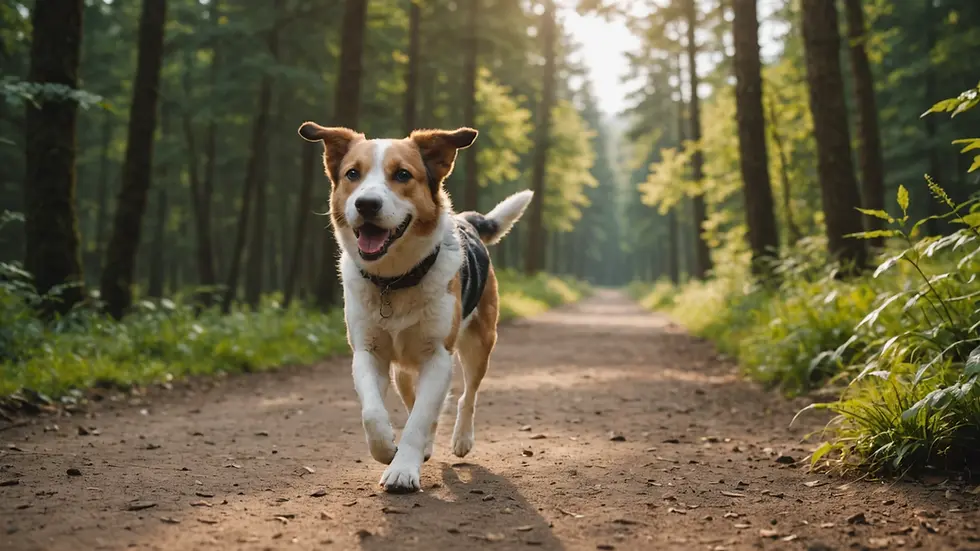
Walking is the most fundamental form of exercise for dogs. It is convenient and a necessity for any dog's daily routine. Regular walks help dogs expend energy and provide them with the opportunity to explore their surroundings, which is crucial for their mental stimulation.
Tips for Effective Walks:
Variety is Key: Change the route every week to expose your dog to new scents and sights. For instance, if you typically walk in your neighborhood, try exploring a local park or trail instead.
Use Proper Equipment: A comfortable harness or collar and a sturdy leash can enhance the walking experience. Consider using a hands-free leash if you enjoy jogging alongside your dog.
Consider the Breed: Some breeds, like Border Collies, need more exercise than others. Tailor the length and intensity of walks to suit your dog's breed and age.
Running
For dogs with higher energy levels, regular runs can be exhilarating and beneficial. Running not only allows them to burn off excess energy but also strengthens muscles and builds endurance.
Best Practices for Running with Your Dog:
Start Slow: If your dog is unaccustomed to running, begin with short distances of about 1 mile and gradually increase to 3 miles or more as they build stamina.
Weather Awareness: Avoid running during extreme heat and cold conditions to protect your dog's health. The ideal temperature for a run is between 45°F to 65°F.
Hydration is Crucial: Always carry water for both you and your dog, particularly on warmer days. Bring a portable dog bowl for convenient drinking during breaks.
Off-Leash Play
Taking your dog to an off-leash dog park can provide excellent physical and social exercise. Dogs naturally engage in sprinting, jumping, and playing with other dogs, which encourages their instincts.
Benefits of Off-Leash Play:
Socialization: Enhances social skills by allowing interaction with different dogs and people, reducing anxiety in self-expressive situations.
Freedom to Explore: Dogs can run freely and navigate their environment more independently. Consider visiting parks with varied terrain to stimulate their senses.
Confidence Building: Interaction and play with other dogs help develop their confidence and coping skills in unfamiliar situations.
Structured Activities
Agility Training
Agility training involves guiding dogs through a series of obstacles such as tunnels, jumps, and weave poles, making it a fun way to exercise your dog both physically and mentally.
Benefits of Agility Training:
Mental Stimulation: It requires focus and problem-solving, keeping your dog’s mind active. Studies show it can lead to improved memory and learning in dogs who practice agility regularly.
Physical Conditioning: Builds strength, speed, and coordination. For example, a study found that dogs who engaged in agility training increased their cardiovascular endurance by 30% after consistent practice.
Bonding Experience: Working closely with your dog enhances communication and strengthens your relationship.
Fetch and Retrieve
Playing fetch is not just an entertaining game but also an excellent way to exercise your dog. It encourages running, chasing, and retrieving, making it both fun and physically demanding.
How to Enhance the Fetch Experience:
Use Different Toys: Varying the items you throw can keep the activity fresh. Consider using balls, frisbees, or even squeaky toys.
Increase Distance Gradually: Start with short throws and build up to longer distances. Aim for a progression to about 100 yards over a few sessions.
Incorporate Commands: Use fetch as a training opportunity to instill commands like "drop it" or "come," reinforcing obedience while having fun.
Mental Exercise
Puzzle Toys
Providing mental stimulation is just as necessary as physical exercise. Puzzle toys challenge your dog to think and problem-solve for a reward, usually treats or kibble. These toys can keep them engaged for extended periods.
Why Use Puzzle Toys:
Reduces Boredom: Keeps your dog's mind occupied when you are busy. It can be particularly useful during the workday when you may be away.
Encourages Natural Behaviors: Mimicking hunting and foraging taps into instinctual drives, offering a mental workout.
Improves Focus: Engaging with puzzles enhances focus and cognitive skills. Studies show that dogs who frequently use puzzle toys exhibit better problem-solving abilities and increased attention spans over time.
Training Sessions
Regular training not only fosters good behavior but also fully engages the dog's mind. Incorporating short training sessions throughout the week can be very beneficial.
Benefits of Training:
Strengthens Bonding: Working together builds a stronger relationship. Dogs that receive consistent training are 20% more likely to respond positively to their owners.
Cognitive Skills: Learning new commands and tricks enhances mental agility and keeps them sharp as they age.
Discipline and Structure: Provides structure and discipline, which is critical for happy dogs. A well-trained dog often experiences less anxiety and is more adaptable to new situations.
Age-Appropriate Exercises
Puppies
Puppies have lots of energy but need a different approach to exercise. Short play sessions, supervised socialization, and basic training should be the focus since their bodies are still growing.
Exercise Recommendations:
Short, Frequent Sessions: Aim for 5 minutes of exercise per month of age, up to twice a day. For example, a 3-month-old puppy should ideally get about 15 minutes of play or walk.
Socialize: Introduce them to various experiences, environments, and other animals to help them become well-adjusted adults.
Adult Dogs
Adult dogs are generally more capable of higher-energy activities. They should be engaged in a mix of aerobic and anaerobic exercises.
Exercise Ideas:
Long Walks or Runs: Aim for 30 to 60 minutes several times a week to promote endurance and cardiac health.
Playing Fetch: Engages them physically and mentally while promoting your bond.
Senior Dogs
As dogs age, their exercise requirements change. It's essential to adjust routines to keep them active without stressing their joints.
Gentle Exercise Suggestions:
Leisurely Walks: Shorter distances with frequent breaks are ideal. A 20-minute stroll can provide enough activity without overexertion.
Mental Stimulation: Puzzle toys and simple commands will keep their brains sharp and engaged even in their golden years.
Final Thoughts
Incorporating a variety of exercises into your dog's routine is vital for their overall well-being. Exercise contributes to their physical health and enhances their mental fitness, leading to a happier and more balanced dog.
Ultimately, finding the right exercise regimen may take some time and experimentation, adjusting as your dog ages and their preferences evolve. Regular physical and mental challenges enrich your dog's life and strengthen your bond.
By prioritizing exercise, you’re investing in not only a healthier dog but also a fulfilling relationship that brings joy and adventure every day.
The Bottom Line
Exercise plays a crucial role in dog health, encompassing various activities that promote physical fitness and mental stimulation. Regular walks, runs, agility training, and engaging games can help unleash the full potential of your dog's well-being.
As responsible pet owners, it is our duty to ensure our dogs lead a healthy lifestyle. Keep experimenting with different types of exercises to keep your dog excited, healthy, and happy. The benefits of a physically and mentally fit dog extend beyond just health; they deepen the bond between you and your furry companion.



Comments